← Already Studio

Unframed is not a framework.
It's a quarter-million-line head start.

Be at Month 9 on Day 1.

Everything you need. Nothing you don't.
We only make money if you do first.

📋 See our Report Card

Your copy of the world's hardest-working, most-valuable 80/20 codebase

A quarter million lines of TypeScript, 3,500+ tests, built by one person over 2+ years. You get a copy. You own it. No subscription, no vendor lock-in.

The builder joins as technical advisor at 0.75% equity — incentivized to make decisions today that hold up in year three.

It's like a framework

…but it's not scaffolding. It's a working product — auth, billing, dashboards, calendars, monitoring — all running in production.

It's like vibe-coded software

…but every line was deliberate. No hallucinated patterns, no dead code. Quality is measured and published — not hoped for.

It's like shop-built software

…but you own the code, not a vendor relationship. No monthly fees. No "enterprise tier." Buy once, own forever.

If you're thinking about building a $100MM software product, this is probably what you're looking for.

Skip down to who this can help ↓

"But wait... shouldn't I just vibe-code my product?"

Yes. Vibe code until you reach product-market fit. Ship, learn, iterate. Do it!

Just vibe code it

When you're ready for your forever-code, that's when I can help.

Who is Unframed for?

The founder who got the shop quote and felt sick.

$50K–$80K for 3–4 months of work, and you've seen what comes back from shops. 240K lines of production code for less than that quote — built right.

The founder who doesn't want to throw away their MVP.

Customers are paying. The vibe-coded MVP is a house of cards. You don't want to start over — you want to build on something solid.

The founder who already knows they're throwing it away.

Idea validated. Now rebuild on real foundations — proper architecture, tested patterns. Not a framework to learn. A codebase built the way a senior engineer would build it.

The serial founder who's been here before.

You know what tech debt costs at scale. A shortcut in month 2 becomes a six-figure rewrite in year 3. You've lived it.

The new CTO who just inherited a mess.

Something that works but is held together with duct tape. Running product, real customers — just need real scaffolding under it.

The founder who's about to hire engineers.

The codebase will embarrass you in an interview. Good engineers won't work in it. This is a recruiting decision as much as a technical one.

The agency that builds products for clients.

Repeatable, production-grade starting point. Every client engagement launches from the same proven base.

"What's the difference between Unframed and a framework?"

A framework is a dependency. You learn their API, follow their conventions, migrate when they say migrate.

Unframed is a starting point — code you own, every line. No unframed init, no CLI, no plugin system. Express, Postgres, TypeScript. Tools that'll be around in 10 years.

A framework owns you. Your foundation is yours.
Your plumbing is not your product. Ours is.

AI is making software easier and cheaper to build. That's a massive shift — and it's just getting started. More builders, more competition, compressing margins. When margins were fat, quality was optional. As they thin out, quality becomes a KPI.

Before you make any big engineering spend decision, it's worth understanding where this is heading.
What happens when you build it right the first time?

# engineering March 12, 2026
J
Joe P. 5:32 PM
this feels like a hack. but if this solves the problem for now while i try to figure out a more appropriate way to handle it then it's fine by me. i have more pressing things to do than hem and haw over this. i'm going to create a ticket

This is how tech debt starts. Not with a big decision — with a small one that's "fine for now." The ticket sits. The second hack lands before the first gets fixed. Each one makes the next more likely.

Unframed is the opposite. Every pattern deliberate. Every shortcut refused. Not just cleaner code — a fundamentally different trajectory.

The hack flywheel

Hack → ticket → ticket sits → context lost → next hack is easier to justify → codebase gets harder to change → features slow down → pressure increases → more hacks.

The Unframed flywheel

Do it right → no ticket needed → codebase stays simple → next feature is easier → velocity increases → less pressure → more room to do it right again.

Most codebases slow down over time. Unframed speeds up. That's the compounding effect of zero tech debt from day one.

The origin story

A few years back, decided to only work with good software. So started building some.

Didn't know the domain. Didn't matter — everyone needs to be able to login. So build login. Build it right. Passwordless auth, magic links, OAuth, sessions. Done. What's next?

Everyone needs to store data. So build the database layer. Migrations, repositories, transaction management, test isolation. Done. What's next?

Two years of "done, what's next?" — each time building the thing every codebase eventually needs, and building it once, building it right.

"I don't know what I want to build, so I'll build everything I know I'll need." A quarter million lines later, still no debt. Still innovating at full speed.
250K+
lines of code
270+
services
3,500+
tests
27
dependencies
1
Postgres database
1
builder
2
years of work
25
years of experience

The -ilities as first-class citizens

Not aspirations. Implemented, tested, measurable properties of the code. Every one of them is a way of saying "I give a shit and I can prove it."

Testability
Maintainability
Understandability
Debuggability
Simplicity
Modularity
Adaptability
Observability
Reliability
Portability
Extensibility
Composability

26 in total. The PHILOSOPHY.md and TECHNICAL_GUIDE.md go deeper. These aren't marketing words — they're engineering constraints enforced on every line.

What's in the box

  • Passwordless auth, magic links, OAuth, sessions
  • ReBAC authorization (CanCan-style)
  • Transaction management with test isolation
  • 270+ services with dependency injection
  • Structured logging with named loggers
  • Email (SES, templates, tracking)
  • OpenTelemetry-aligned analytics
  • Encrypted vault (AES-256-GCM)
  • Calendar integration (Google, Outlook)
  • Real-time: WebSockets (bidirectional) + SSE (server push)
  • File storage (S3)
  • Schema versioning and migrations
  • Multi-tenancy
  • 3,500+ tests across 813 test files
  • 500+ line CLAUDE.md for AI collaboration

What's NOT in the box

  • No external dependencies except Postgres
  • No microservices
  • No Kubernetes
  • No ORM (raw SQL, parameterized)
  • No decorator magic
  • No barrel files
  • No debt
  • No shiny things
  • No hype

Every item on this list was a deliberate choice. Taste and restraint.

Bring your own

  • React, Angular, Vue, or any frontend
  • GraphQL
  • AWS, GCP, or any cloud provider
  • Your preferred CI/CD pipeline
  • Message queues (Kafka ready)
  • Redis, if you actually need it
  • Your favorite ORM

The foundation doesn't lock you in. Add what makes sense for your product.

We build on things that don't require a rewrite every three years.

Frameworks come and go. We build on boring, proven technology.

Today
2005 MooTools
2006 jQuery
2006 GWT
2009 CoffeeScript
2010 Knockout
2010 Backbone
2010 Angular
2011 Dart
2011 Ember
2012 Meteor
2013 Polymer
2013 React
2014 Vue
2016 Svelte
2016 Next.js
2017 Nest.js (This is different.)
2017 Nuxt (Also different. You can't make this stuff up.)
2021 Remix
2021 Astro
2021 Solid
2022 Qwik
2022 Fresh
The Unframed stack
1996 Postgres
2009 Node.js
2012 TypeScript

Beyond that... bring your own dependencies. SSR is cool again, but want an SPA framework? — Bring it. Even Postgres can be readily swapped out — prefer MySQL? CockroachDB? DynamoDB?

The AI advantage

The quarter million lines aren't just infrastructure. They're what teaches AI what "good" looks like.

Every interface, every naming convention, every test pattern teaches AI what "good" looks like in this codebase. The AI doesn't need to be told "use dependency injection" — it sees 270+ services using DI and does the same.

Clean code and fast code are the same thing when the AI is typing. The cleaner the code, the better the AI builds on it. That flywheel doesn't exist on a messy codebase.

Unframed is the know-how that AI follows to synthesize code for companies. Not the AI itself — the know-how. The patterns, the conventions, the 25 years of experience, distilled into code. The AI is commodity. The know-how is the moat.

The 3-hour ReBAC example

Built a hybrid ReBAC authorization system in about 3 hours. Leveraging Unframed's existing patterns, the AI knew how to wire DI, structure service interfaces, write tests, handle the database layer.

A human engineer from scratch — a week minimum. And I'd bet a quarter they'd get it wrong.

Three costs, not one: time (a week vs. 3 hours), quality (done wrong), maintenance (paying for shortcuts for years).

Audit-ready before your first customer

Most startups scramble for compliance after a customer asks for it. Unframed ships with it.

33/33 SOC2 controls covered. Automated evidence collection on every build. PCI DSS, HIPAA, GDPR, NACHA, PSD2, FFIEC, SOX — 130+ source files, 14 compliance tables.

One rule: promise only what exists. Every SOC2 questionnaire response describes what the codebase actually does.

Compliance by the numbers
33/33 SOC2 CC controls covered
9 regulatory frameworks
130+ compliance source files
14 compliance database tables
3,500+ tests (the evidence itself)
The remaining work is documentation — formalizing the risk register, incident response plan, and access review log. The engineering is done.
Full compliance breakdown →

So what's in here?

Every capability below is domain-agnostic — built once, used by every venture. Not scaffolding. Working, tested, production code.

Auth & Identity

Passwordless magic links, OAuth, sessions, multi-tenant. ReBAC authorization (CanCan-style).

Email

SES integration, templates, open/click tracking, CAN-SPAM compliance, opt-out suppression.

Analytics & Observability

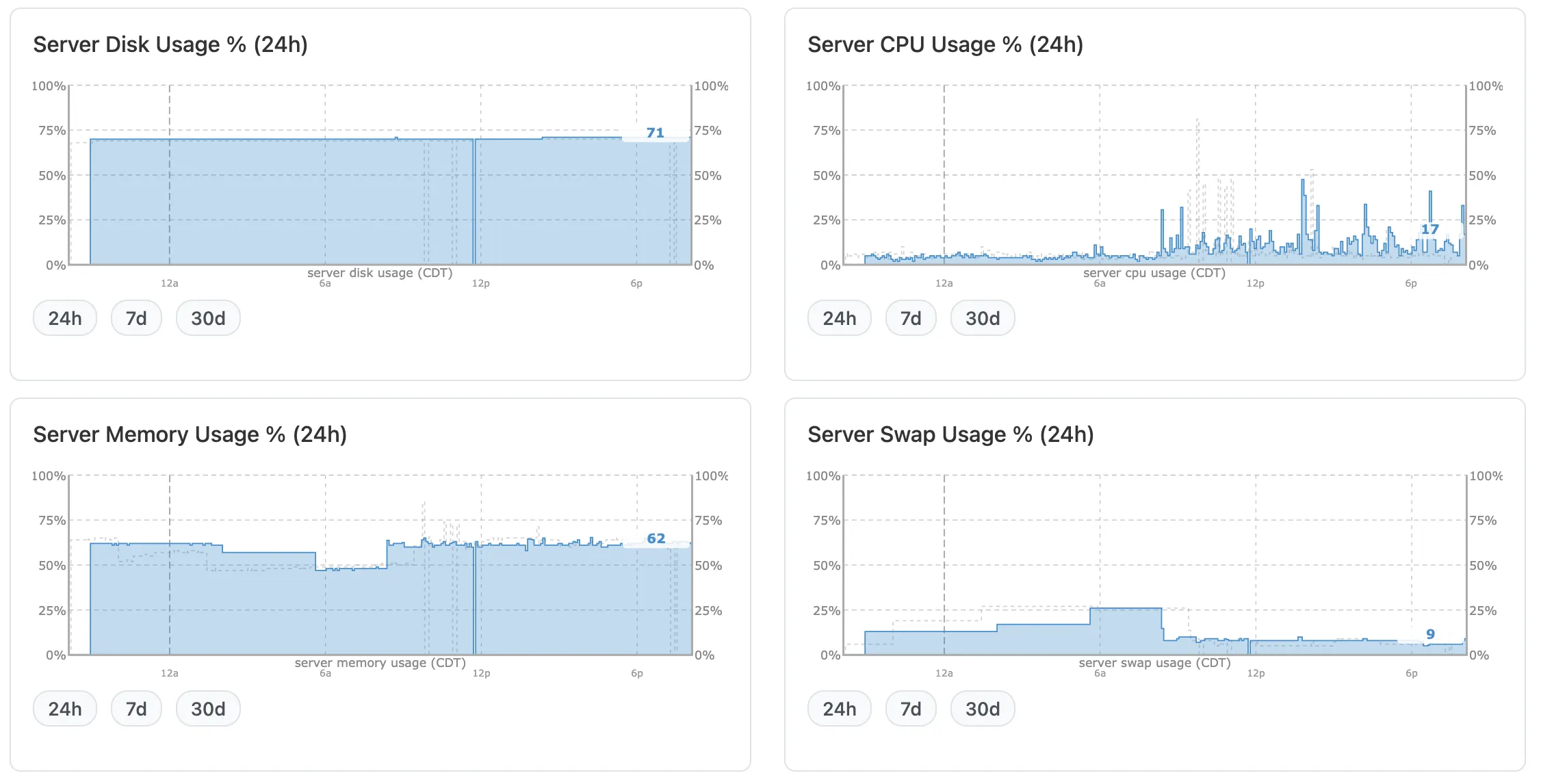
OpenTelemetry-aligned events, rollup pipeline, sparkline dashboards, silence detection, self-monitoring.

Encryption & Vault

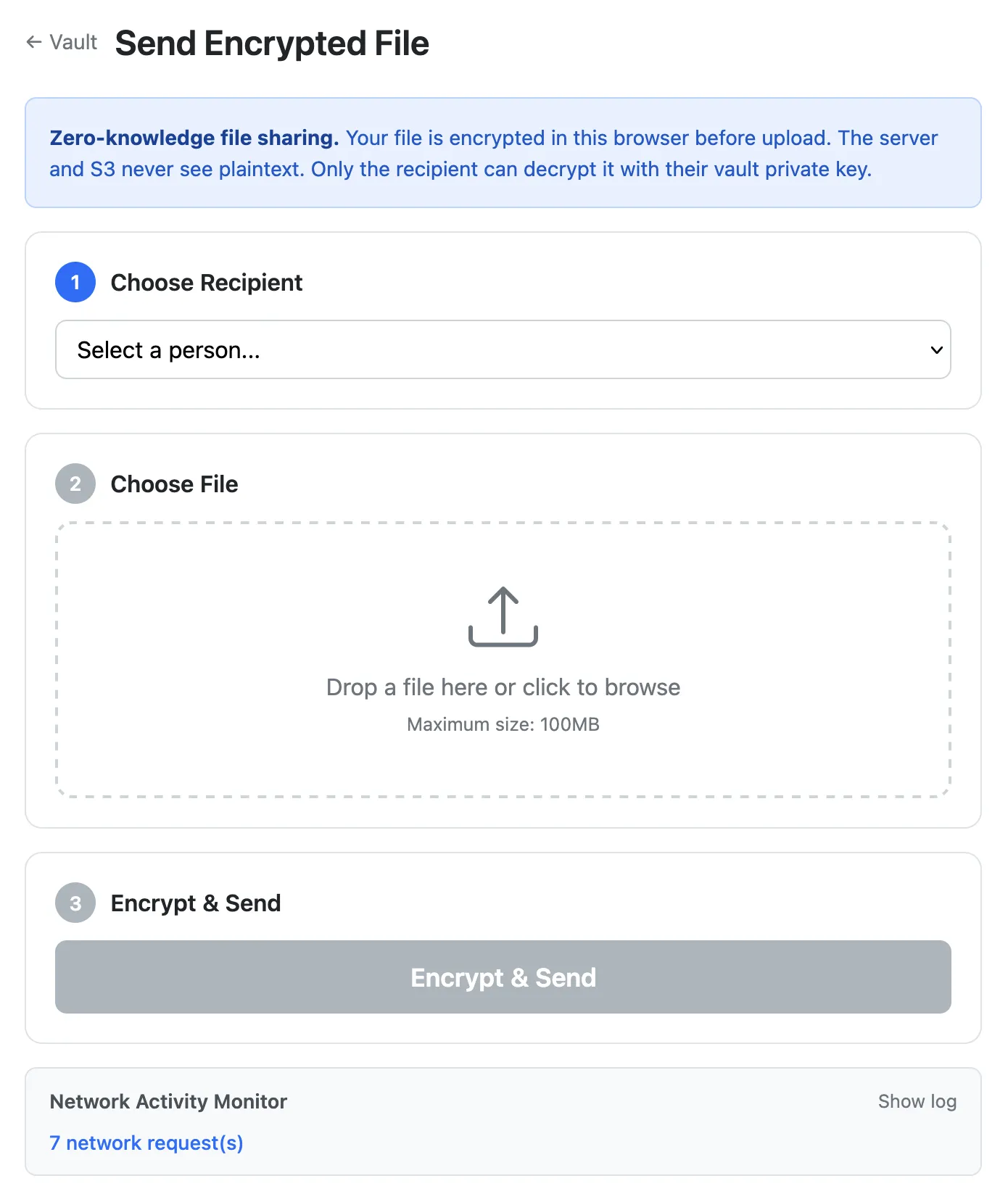
AES-256-GCM envelope encryption, PII field-level encryption, card vault (PCI DSS), credential sharing.

Calendar & Scheduling

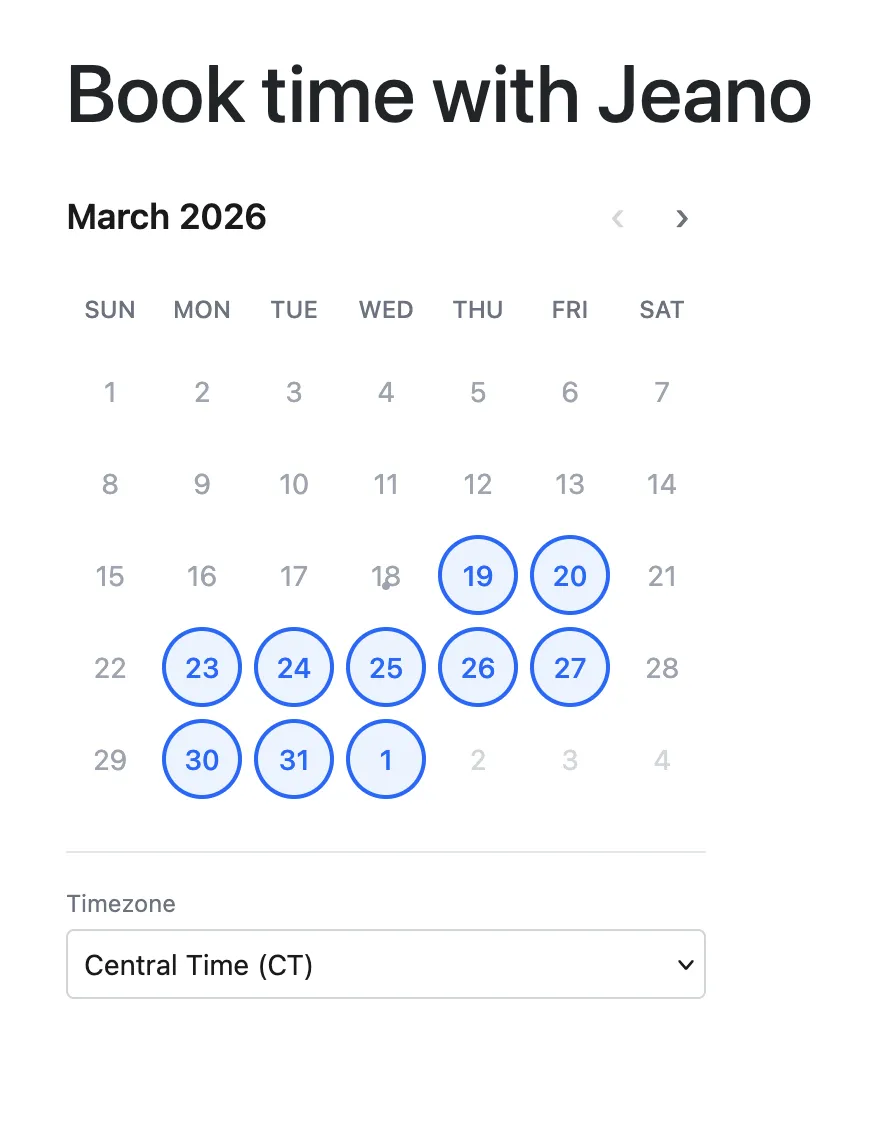
Google Calendar sync, free/busy aggregation, multi-person scheduling, public booking pages.

Billing & Payments

Multi-provider (Stripe + Square), subscriptions, coupons, free-access grants. Switch providers in 10 minutes.

Real-Time

WebSockets (bidirectional, JSON-RPC), Server-Sent Events (server push), client registry, heartbeat.

File Storage

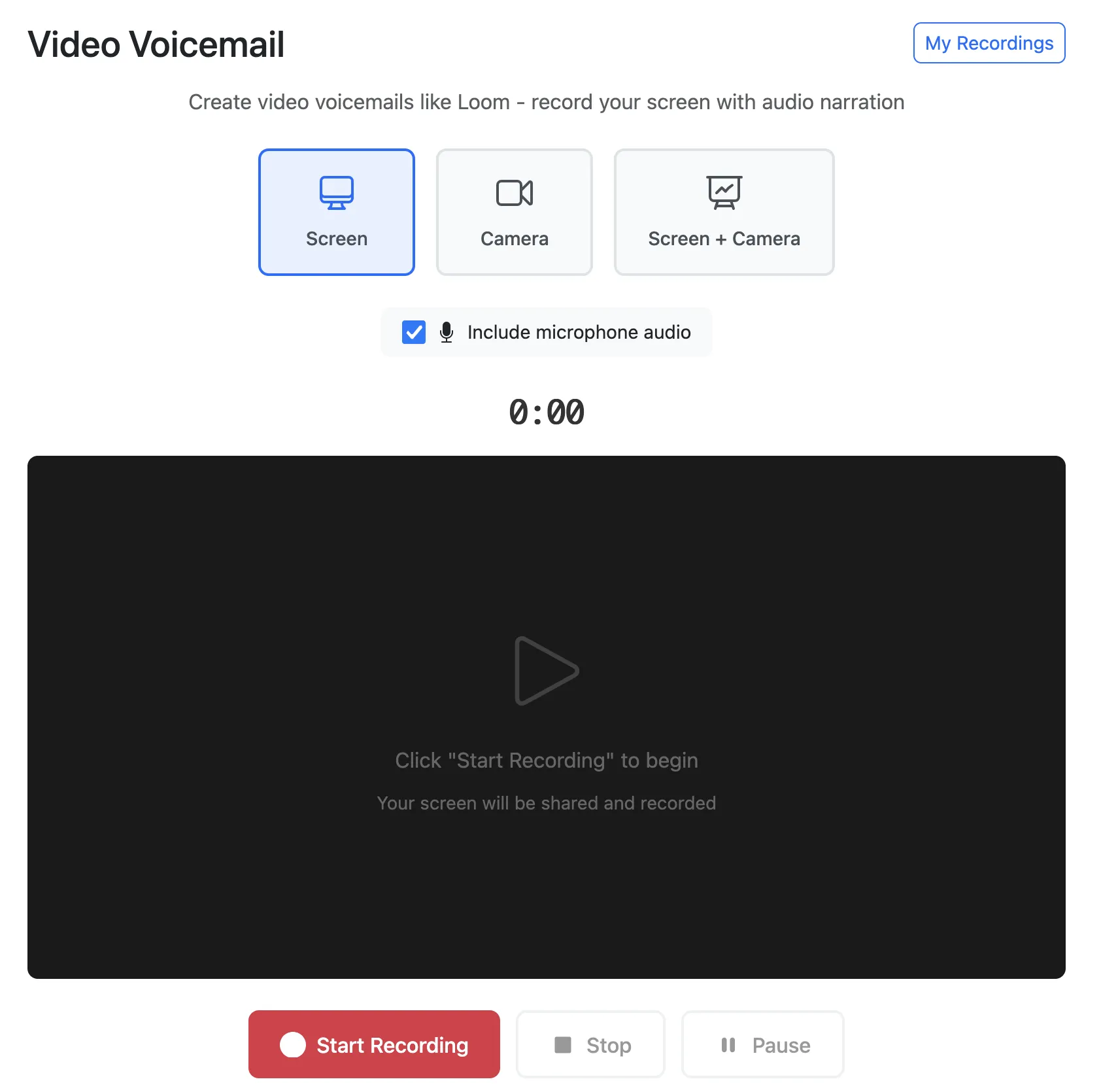
S3-backed uploads, presigned URLs, access control, photo albums, video voicemail (screen + audio).

Compliance

SOC2 (33/33 controls), PCI DSS, HIPAA, GDPR. Audit logging, consent management, data retention lifecycle.

Database & DI

Postgres, schema migrations, transaction management with test isolation, 270+ services with constructor injection.

Logging & Debugging

Named loggers, method-prefixed messages, PII masking, structured fmt(). Greppable by design.

AI Collaboration

500+ line CLAUDE.md, conventions AI follows, self-scoring codereport. One person + AI built a quarter million lines.

What Alito has done with Unframed

The first company built on the platform. Not mockups — a working product with real users.

Sticky notes

Sticky Notes

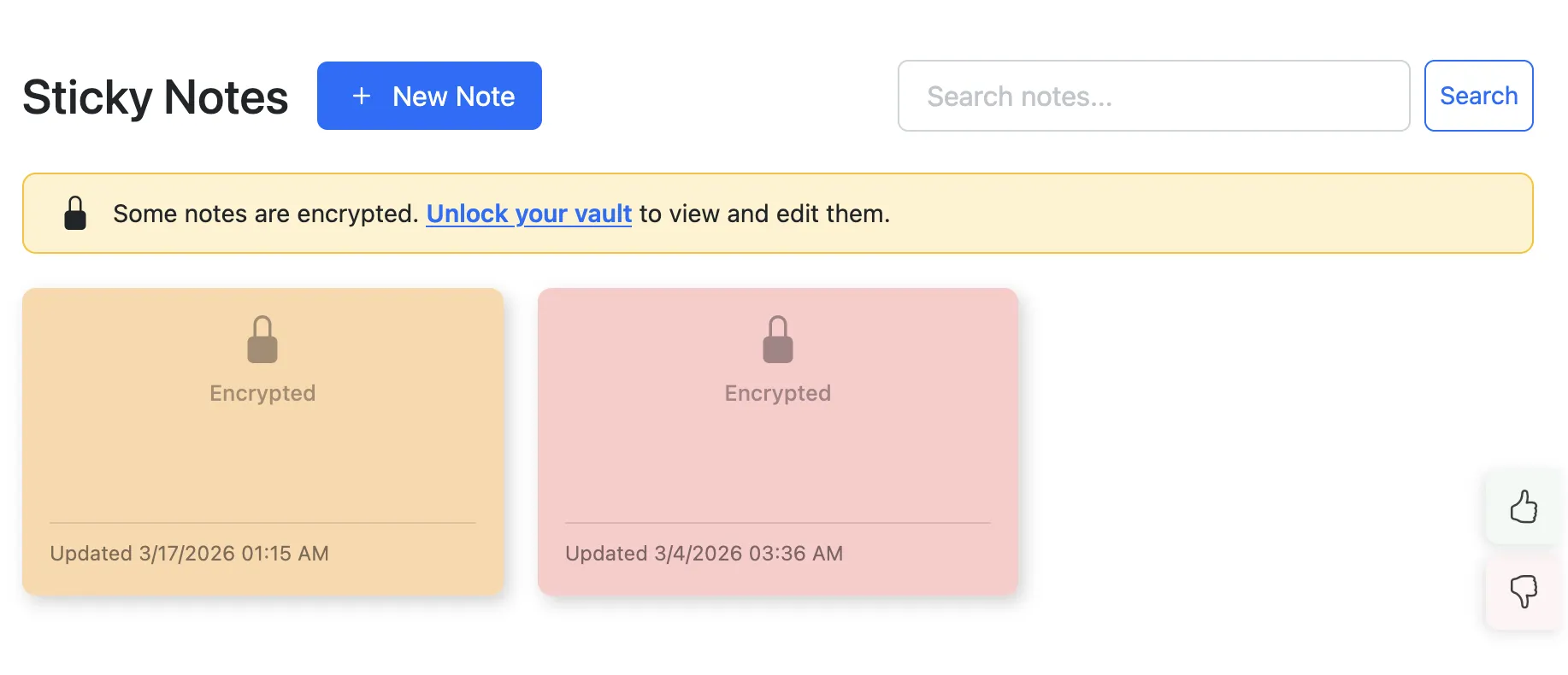
Quick capture. Tag anything. Searchable.

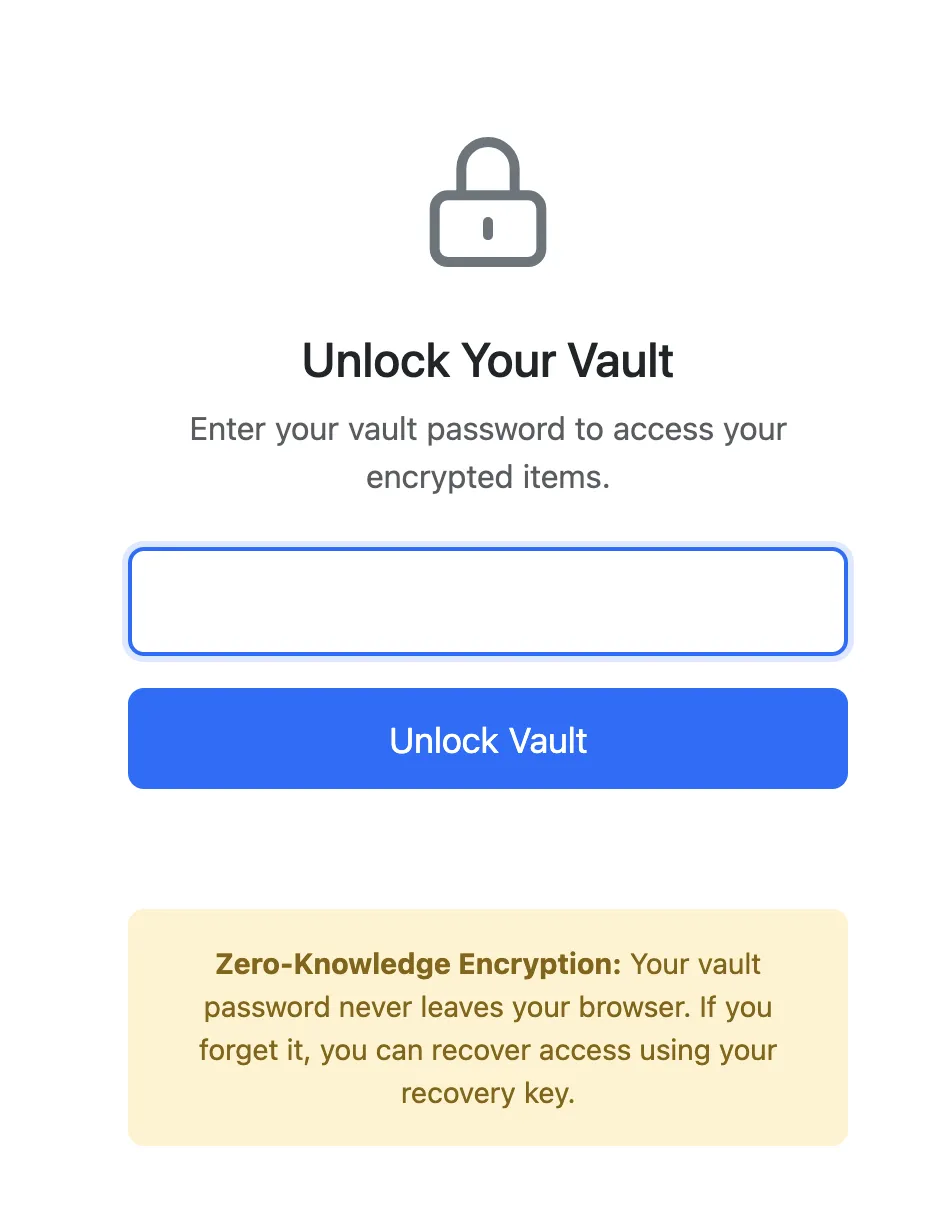
Encrypted vault

Encrypted Vault

AES-256 encrypted credential storage with sharing.

Calendar booking

Calendar & Booking

Google Calendar sync. Calendly-style availability. Meeting booking.

Metrics and analytics

Metrics & Analytics

Live sparklines, rollup pipeline, self-monitoring.

Video voicemail

Video Voicemail

Record screen + audio. Share via link. Like Loom, built in.

File sharing

File Sharing

S3-backed uploads with presigned URLs and access control.

Codereport facts

Codebase Facts

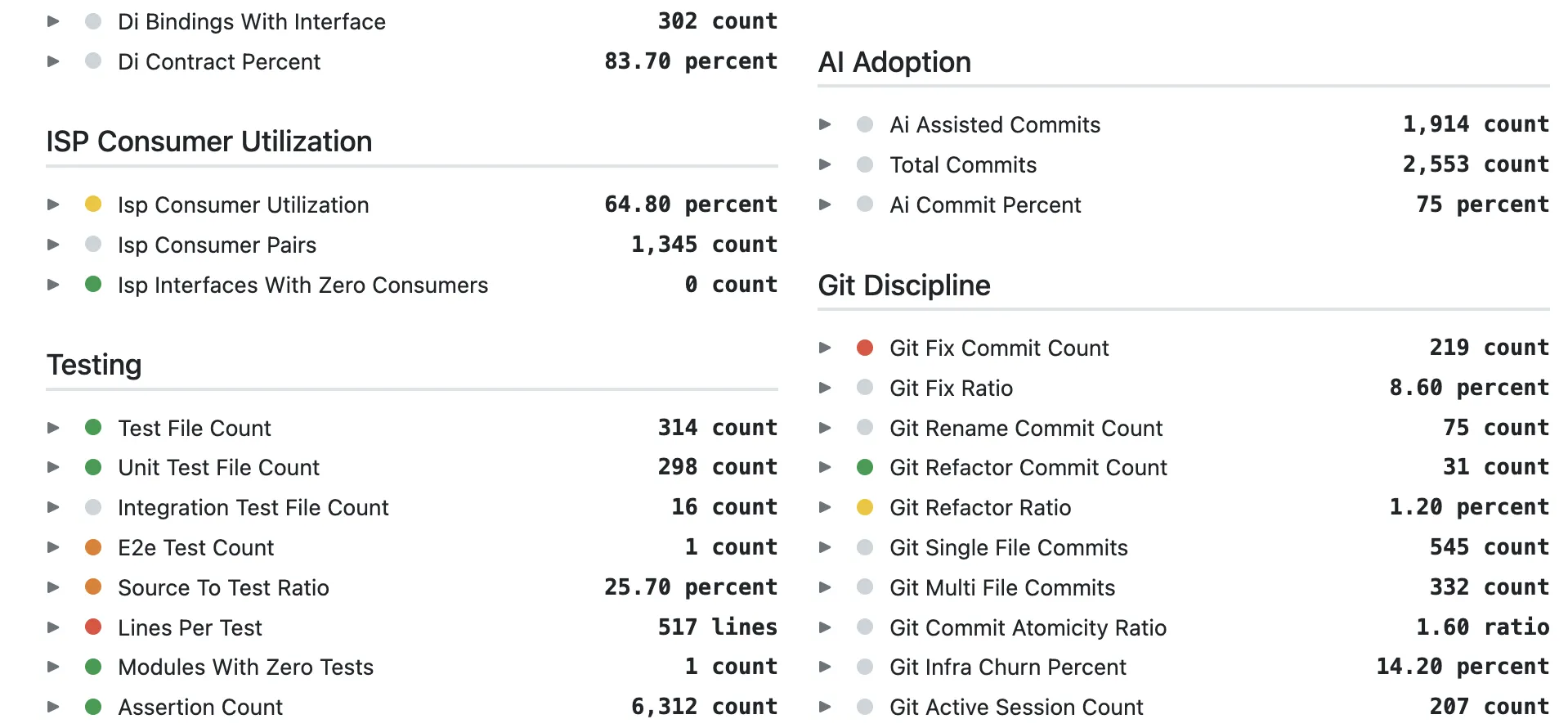
236 objective measurements. Testing, security, complexity, git discipline, compliance — all counted.

Health score and composition

Health Score & Report Card

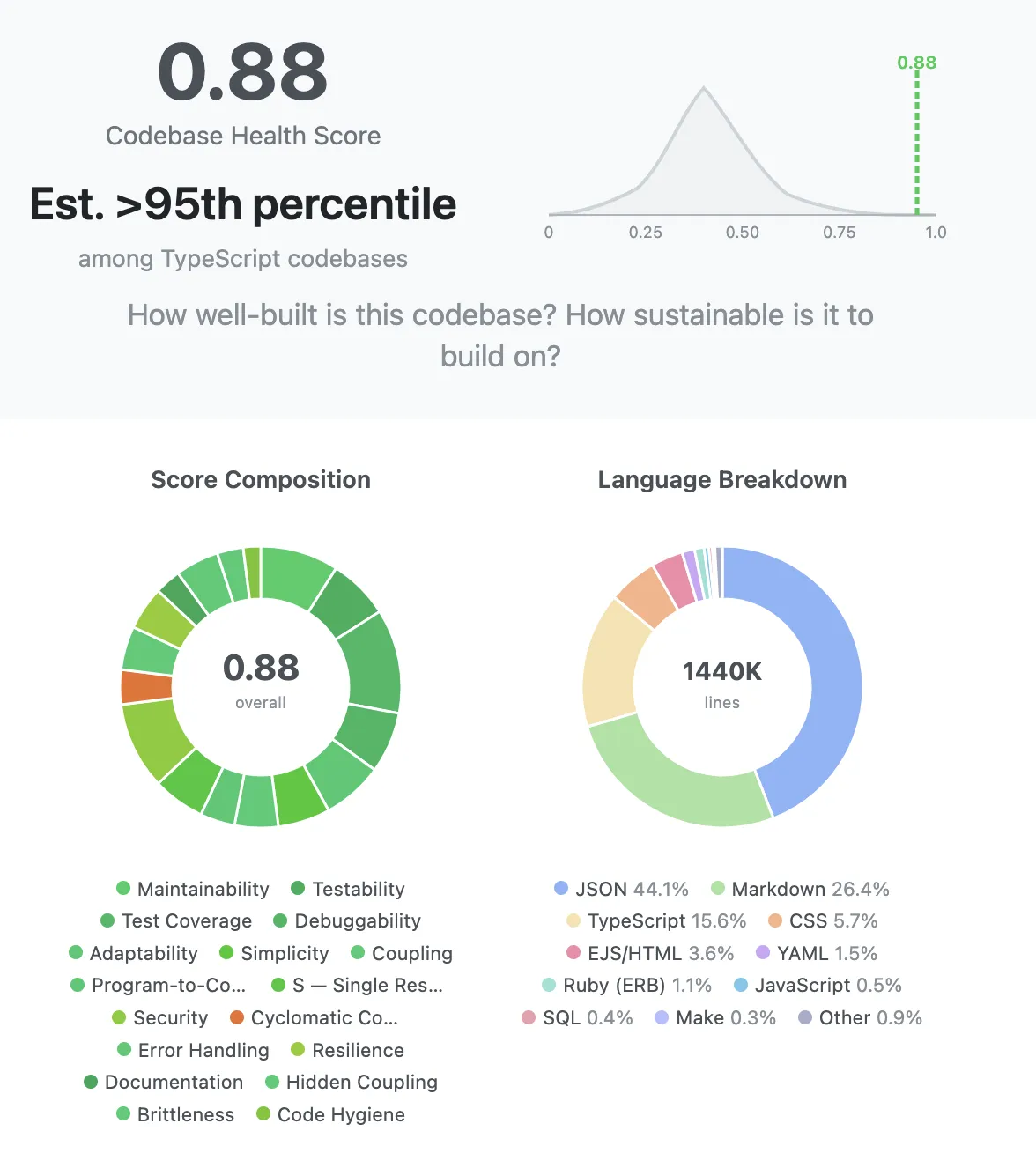
0.88 overall. Est. >95th percentile. Score composition, language breakdown, all transparent.

Place detail with map

Contacts & CRM

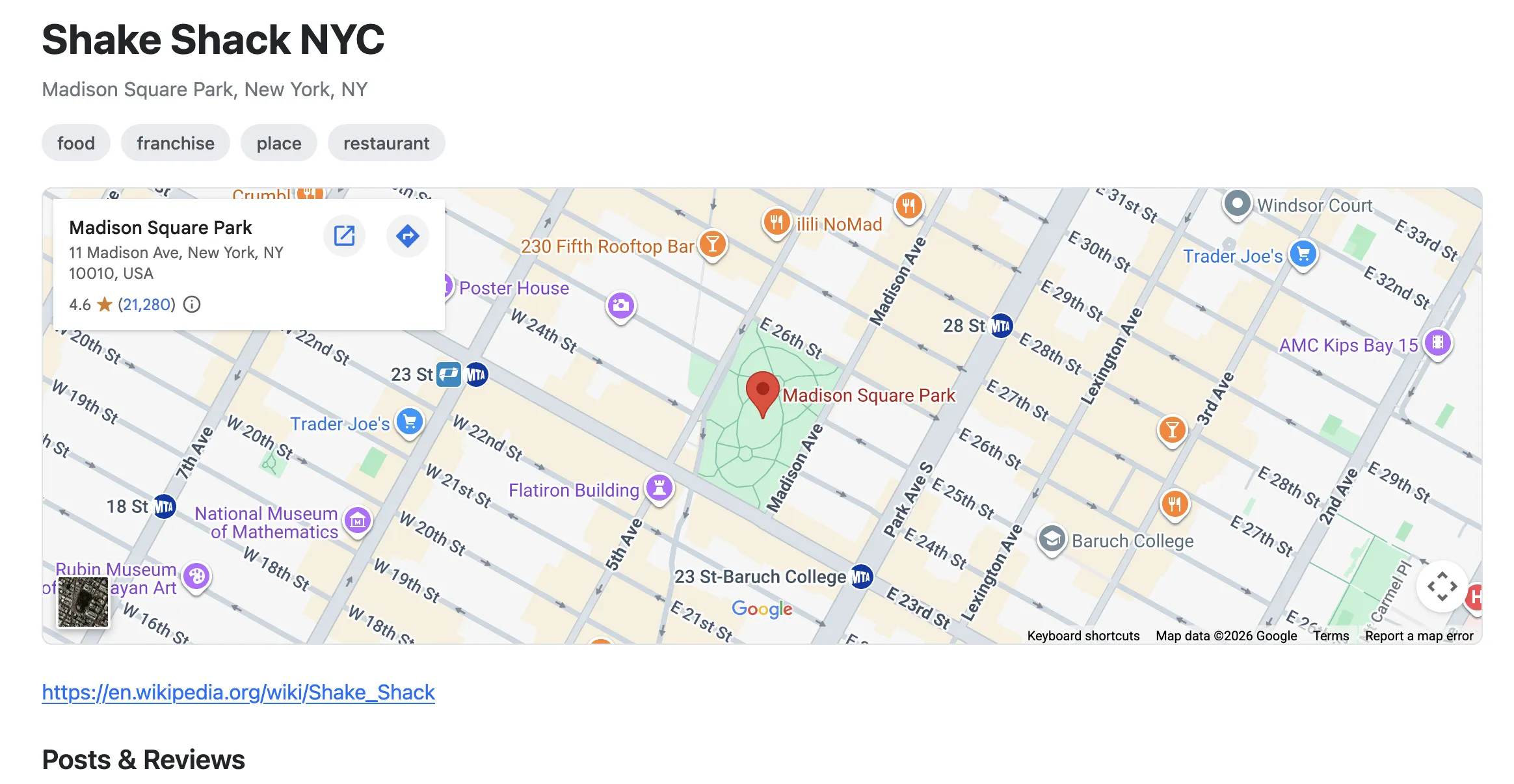
Places, people, tags, maps, reviews. Lightweight CRM with multi-source merge.

Who this helps

Not for everyone. For the people who already know that shortcuts cost more in the long run.

Pre-product founder who's done the math

You got the shop quote. You know what $50K buys. You want a quarter million lines of production code instead — built right, tested, deployed.

Technical founder, third time around

You've built the login system, the email layer, and the test infrastructure before. You don't want to do it again. Skip to your actual product.

Post-MVP rebuilder

You found product-market fit. Your code is a mess. You feel the drag on every feature. You're ready to rebuild right.

Small team, limited runway

Every month spent on plumbing is a month not spent on the thing that'll make or break the company. You need the plumbing done already.

Needs a fractional CTO

You need technical leadership but can't afford full-time. Unframed is the reference implementation — the proof that the advice isn't theoretical.

Founder in a regulated space

Fintech, healthtech, anything touching money or patient data. The compliance scaffolding is already here.

Funded and needs to ship yesterday

You just closed a round. Skip the first year of plumbing and build the thing they invested in.

Building $100MM software

If the product is the business, the foundation matters. Vibe-coded or dev-shop-built won't cut it when the stakes are real.

Compliance on day one

PCI, HIPAA, SOC2, SOX, GDPR, PII encryption — baked in, not bolted on.

Funds, studios, angel networks

Give your portfolio companies a production-ready codebase on day one instead of watching them spend 9 months building plumbing.

Solo founder applying to YC

Show up to your interview with a working product, not a pitch deck.

Product founder who wants to stay hands-on

Green border or blue? Two-step registration or one? If you can type make quickstart, you can iterate on your own product.

The bet

Spending another 15% upfront to get it mostly right the first time pays for itself very quickly.

Maybe it'll be different this time. Maybe it won't. But this is the bet: that craft-built software has a valuable place in the world. Not for everyone. For the people who are actually trying to get it right.

Two sides. One coin. Alito is what you can build when the foundation is right. Unframed is the foundation.

Flip the coin →

25 years between two worlds

25 years stuck between caring about the code and caring about the business. Most people pick a side. I couldn't. Unframed is what happens when you stop choosing.

Tired of bells-and-whistles code that doesn't create enough value for the customer. Tired of the tech debt that comes with every codebase. So I built a domain-agnostic one that AI follows to produce debt-resistant code.

The -ilities are testable. Measurable. The PHILOSOPHY.md is 1,200+ lines. The TECHNICAL_GUIDE.md is 780+. This isn't a pitch — it's code you can read.

But how good is Unframed really?

Don't take our word for it.

📋 View our Report Card

The terms

Three options. Pick the one that fits.

The Reference License

More than a quarter million lines of production code. Same architecture, same patterns. Yours to build on. Future updates included.

The Custom Build

AI synthesizes a bespoke foundation for your stack following our conventions. Entirely original code.

Through an Incubator

Join an affiliated venture studio or incubator. Unframed is part of their offering — no separate license negotiation.

Full terms →

Let's talk.

Pre-product and serious about building something that lasts? Not a throwaway MVP — the actual foundation of a real company.

jeano@jeano.net